



Research
Pneumonia is the world’s leading infectious killer – claiming 2.5 million lives, including 610,000 children, in 2023. And we can never forget that COVID-19 added another 9.4 million to the death toll in 2021, bringing the total number of respiratory infection-related deaths to 11.5 million in that year. No other infection causes anywhere near this burden of death. Yet, a disproportionately low amount of research funding is allocated to pneumonia compared with other leading infectious killers – such as HIV/AIDS and malaria.
According to a 2020 Lancet study:
-
-
- Pneumonia attracted just 3% of infectious disease research funding between 2000 and 2017
- 80% of pneumonia research funding came from just two US-based research funders and was narrowly focused on basic science
-
This amount of funding and narrow focus is not aligned with pneumonia’s global disease burden, pandemic risk, or the priorities of researchers and policymakers. Increasing the amount and scope of pneumonia research funding is critical to improving the prevention, diagnosis, and treatment of pneumonia, and to reducing the huge burden of death and our vulnerability to respiratory infection pandemics.
To mobilize more investment in childhood pneumonia research – an important subset of the global challenge – Every Breath Counts surveyed 108 leading pneumonia experts between November 2019 and June 2021 to develop a list of research priorities with the potential to accelerate reductions in child pneumonia deaths and achievement of the Sustainable Development Goals.
They identified 20 pneumonia research priorities, with preventing neonatal pneumonia, the development of inexpensive, rapid point-of-care diagnostic and etiological tests that differentiate between bacterial, viral, and malaria infections, and access to pulse oximetry and medical oxygen as leading priorities for future research.
Critically, the list of priorities differed between experts based in high-income countries and those in low- and middle-income countries, with the former prioritizing the need for neonatal pneumonia research while the latter prioritized vaccine and health system capacity research.
To ensure that these childhood pneumonia research priorities influence global investments in the countdown to 2030, Every Breath Counts members are engaging the leading infectious disease research funders to make the case for increased investments against these 20 priorities, with a special focus on investing in researchers and institutions based in low-resource settings.
Read more and listen here
Spotlight
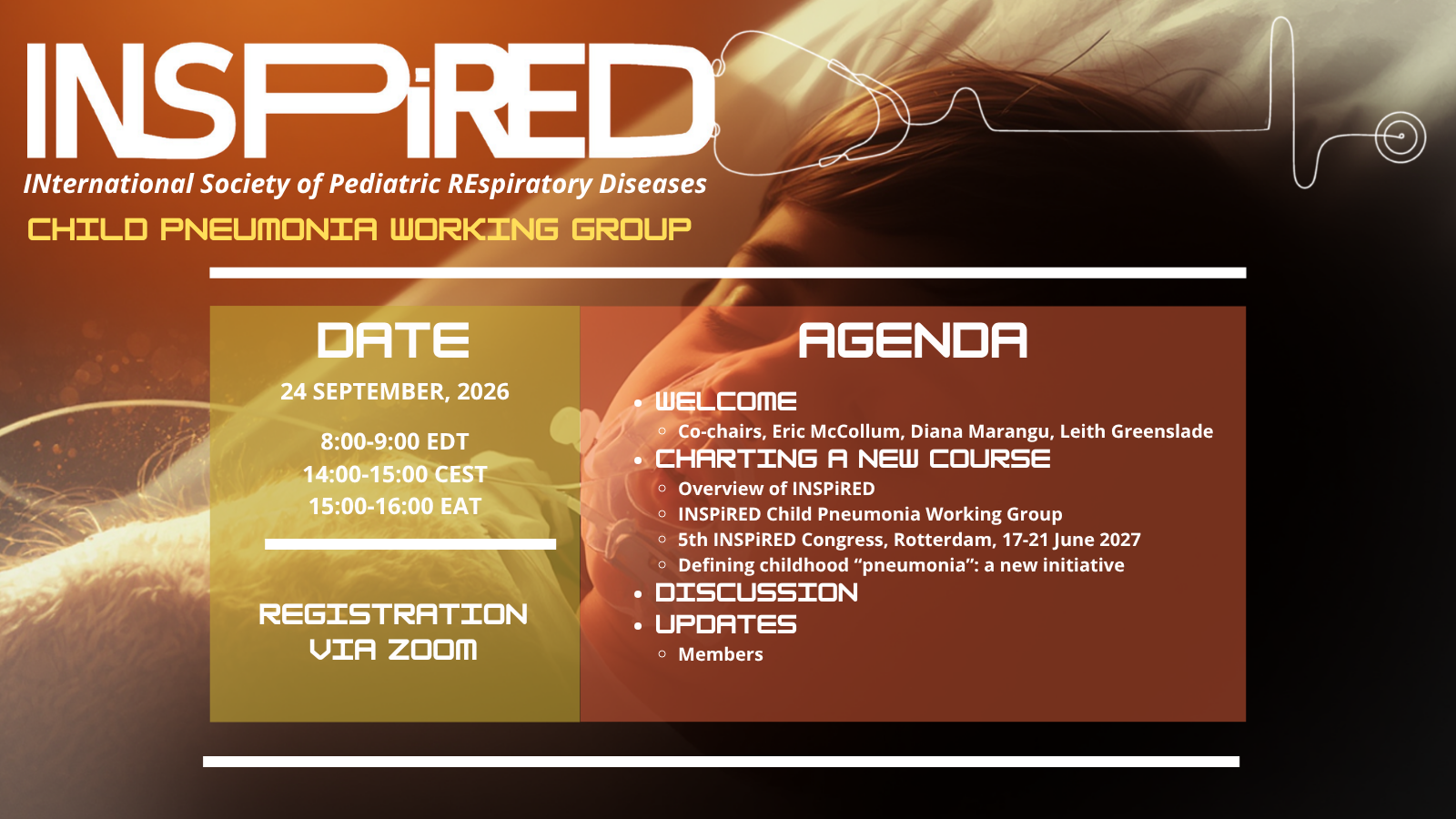
Join the next quarterly meeting (virtual) of the INSPiRED Child Pneumonia Working Group on 24 September 2026, on the sidelines the United Nations General Assembly.
Please register here.
“The field of child pneumonia research is advancing on several fronts. Vaccine coverage continues to expand, molecular diagnostics are improving case detection, and oxygen delivery systems are receiving renewed investment. The task before this Working Group is to ensure these advances translate into measurable reductions in child pneumonia mortality, particularly in the highest-burden settings, while also exploring research questions relevant for both low- and high-income contexts. We recognise Dr Rebecca Nantanda’s foundational contributions in establishing this Working Group and shaping its early priorities, and we welcome Dr Diana Marangu-Boore as co-chair as we enter this new phase of development as part of INSPiRED.”
Learn more about INSPiRED here.
INSPiRED Childhood Pneumonia Working Group
The Childhood Pneumonia Working Group at the International Society of Pediatric Respiratory Diseases (INSPiRED), the group’s overarching goal is to be an expert scientific voice and convener communicating the latest science on the most effective strategies to prevent, diagnose, and treat child pneumonia. The singular goal – accelerating child mortality reductions.
Specifically, the group:
- Amplifies evidence and policy solutions with the capacity to accelerate reductions in child pneumonia deaths.
- Strengthens community of practice across child pneumonia researchers and advocates linked to INSPiRED and beyond.
- Influences the global agenda on child pneumonia through high-visibility convenings and presentations at major global health events, including the annual INSPiRED Congress.
Given the concentration of child pneumonia deaths in low- and middle-income countries, the group is committed to supporting scientists, research institutions, and implementation research in these countries.
Read our latest quarterly newsletter: Q3 2026
To join, email the co-chairs, Dr Eric McCollum, ericdmccollum@gmail.com, Dr Diana Marangu, dmarangu@uonbi.ac.ke, or Leith Greenslade, leith@justactions.org.
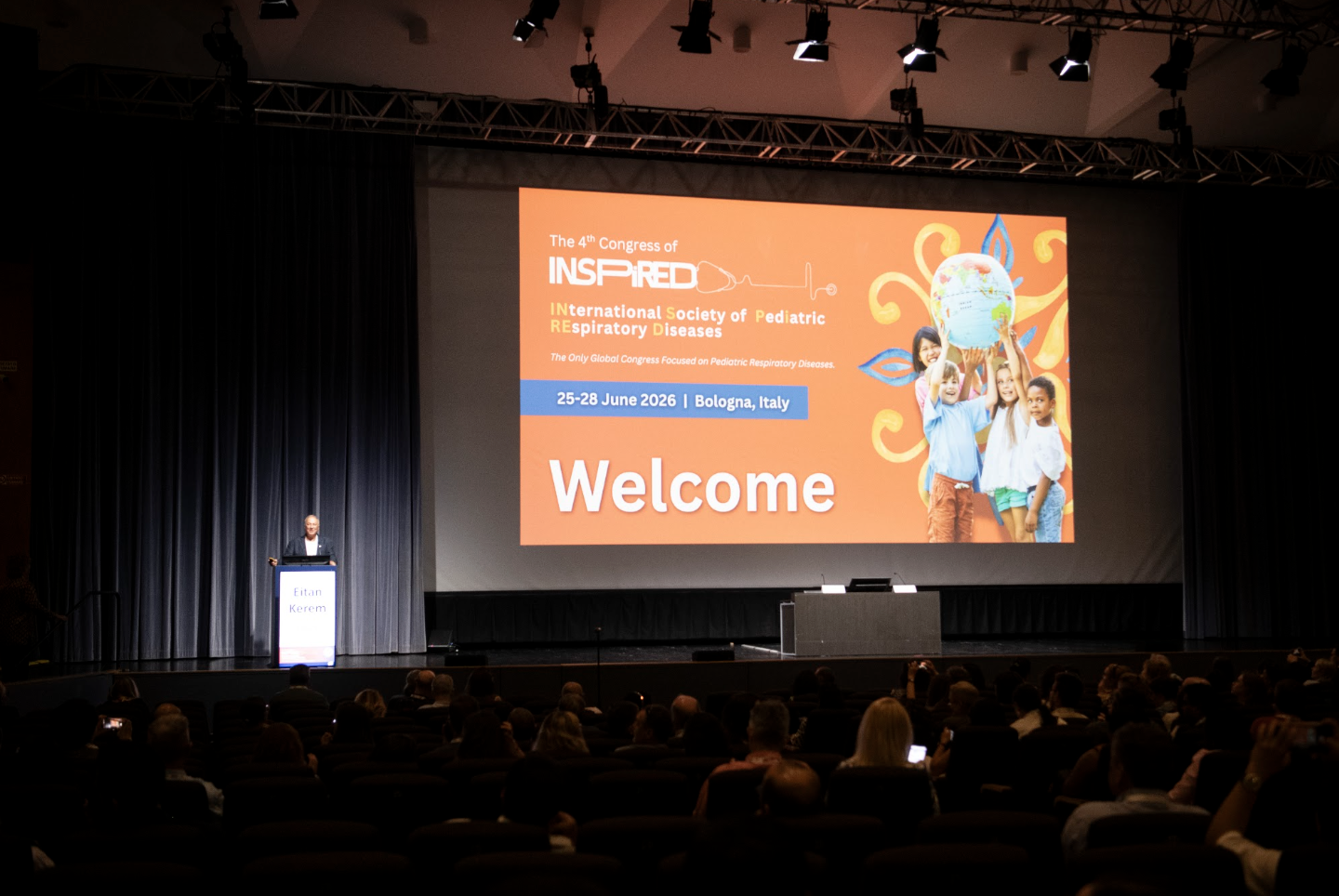
“The INSPiRED Child Pneumonia Working Group serves as a global hub for leading and emerging scientists with a shared mission to advance research on childhood pneumonia to reduce the burden of death and disability, especially in low-resource settings. The group seeks not only to expand scientific understanding, but also to bridge the gap between research and action—informing policies, guiding programs, and shaping the interventions that will drive the next wave of reductions in child pneumonia mortality.”
Co-chairs, Eric McCollum, Diana Marangu, and Leith Greenslade
New and noteworthy pneumonia research
Peer-reviewed publications with the potential to transform the prevention, diagnosis, and treatment of pneumonia, especially in low-resource settings.
Supporting Early Career Researchers
List of new publications on a critical area of pneumonia research from early career researchers, especially working in low- and middle-income countries.
Child Pneumonia Research Investment Scorecard
Scorecard of the top 20 global and low- and middle-income country childhood pneumonia research priorities and the number of research grants focused on each.